
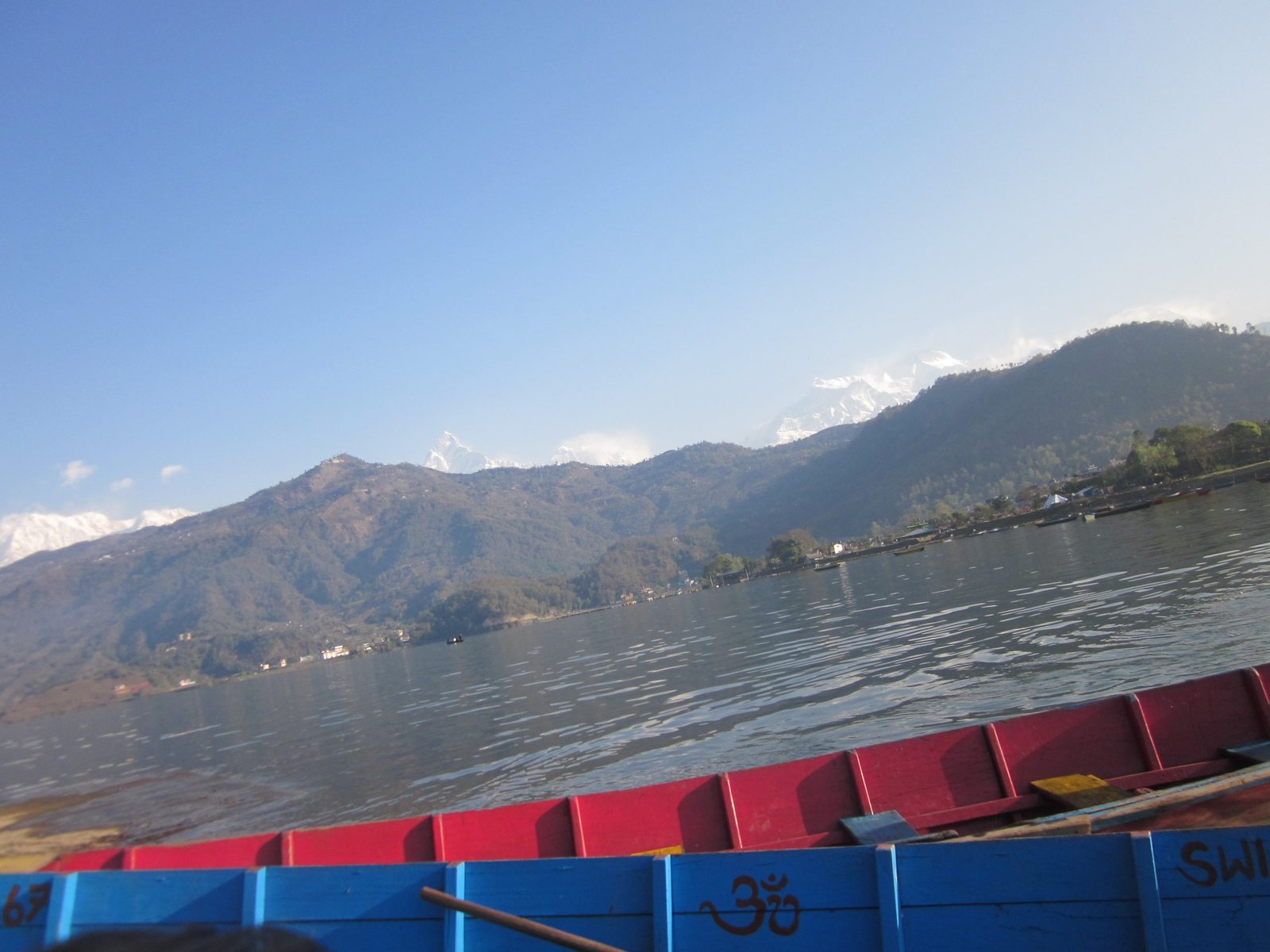
Nepal, a landlocked gem in South Asia nestled between China to the north and India to the south, east, and west, is a destination that blends breathtaking natural beauty with rich cultural heritage. Bordering the Himalayas, including the world’s highest peak, Mount Everest, Nepal offers a tapestry of experiences for travelers seeking adventure, spirituality, and scenic wonders. This blog post dives into Nepal’s national animal and flower, its diverse geography, and the key parameters that make it a top choice for tourism—perfect for anyone eager to explore this enchanting land.
National Symbols: The Cow and Rhododendron
Nepal’s national symbols are deeply rooted in its cultural and natural identity, reflecting both its spiritual heritage and ecological richness.
The National Animal: The Cow
Research points to the cow as Nepal’s national animal, a symbol of profound cultural and religious significance, especially within Hinduism, the majority religion here. In 2015, Nepal’s Constitution reportedly declared the cow as the national animal, with laws banning its slaughter, highlighting its role as an emblem of abundance, fertility, and motherhood (Cow becomes national animal of Nepal – Business Standard). For Nepali Hindus, the cow is the holiest animal, celebrated during festivals like Tihar and revered year-round. You’ll often spot cows wandering freely, especially in rural areas, a testament to their sacred status.
There’s a bit of a twist, though—some sources, like a 2023 GVI article, suggest the Himalayan serow, a “cow-like” creature, might hold the title (Himalayan Serow: The National Animal of Nepal | GVI). This confusion aside, most evidence, including National symbols of Nepal – Wikipedia, backs the cow. As a traveler, it’s a quirky detail to keep in mind while exploring Nepal’s traditions.
The National Flower: Rhododendron
Nepal’s national flower, the rhododendron—known locally as Lali Gurans—is a burst of natural beauty. Scientifically Rhododendron arboreum, it blooms in vibrant reds, pinks, and whites across the hilly regions in spring. With over 30 species thriving between 1,200 and 3,600 meters, it’s a symbol of resilience and a treat for the eyes (Discover the National Flower of Nepal: Rhododendron Arboreum – A-Z Animals). Used in traditional medicine and adorning temples, it’s a cultural gem. If you’re hiking in spring, the sight of these blooms against the Himalayan backdrop is pure magic.
Geography: A Diverse Landscape for Every Traveler
Nepal’s geography is a dream for adventurers, with three distinct regions offering something for everyone.
- The Terai Region: This southern lowland, making up about 17% of Nepal, stretches along the Indian border with fertile plains and subtropical forests. It’s home to national parks like Chitwan and Bardia, where you can spot Bengal tigers, one-horned rhinos, and Asian elephants on a safari (Geography of Nepal – Wikipedia). The tropical climate makes it a year-round spot for wildlife lovers.
- The Hilly Region: Covering 68% of Nepal, this central area is a mix of rolling hills, valleys, and terraced fields. It’s where you’ll find Kathmandu, the cultural hub and a UNESCO World Heritage Site, packed with ancient temples like Pashupatinath and stupas like Boudhanath ([UNESCO: Kathmandu ValleyJesus://whc.unesco.org/en/list/121). Pokhara, with its serene lakes and mountain views, is another gem here. The temperate climate makes it perfect for soaking in Nepal’s history.
- The Himalayan Region: Spanning 15% of the country, this northern zone boasts eight of the world’s ten highest peaks, including Mount Everest at 8,848 meters. It’s the ultimate playground for trekkers and mountaineers, with trails like Everest Base Camp and the Annapurna Circuit offering jaw-dropping views (Nepal – Wikipedia). The climate ranges from subalpine to snowy, so pack accordingly!
This elevation shift—from under 100 meters in the Terai to over 8,000 meters in the Himalayas—creates eight climate zones, ensuring every trip is unique.
Tourism Parameters: Activities, Seasons, and Practicalities
Nepal’s tourism scene is vibrant, drawing travelers with its mix of adventure, culture, and nature.
What to Do
Trekking tops the list, with iconic routes like Everest Base Camp and the Annapurna Circuit pulling in adventurers (20+ Incredible Places to Visit in Nepal: The Ultimate Nepal Bucket List | The Common Wanderer). Cultural buffs will love Kathmandu’s Durbar Square and Lumbini, Buddha’s birthplace. Wildlife fans can safari in Chitwan, while thrill-seekers dive into rafting, paragliding, or bungee jumping (NEPAL TRAVEL GUIDE: What to see, know and do in Nepal (2022 update) | The Common Wanderer). Festivals like Dashain and Tihar add colorful cultural flair.
When to Go
Spring (March-May) and autumn (September-November) are prime times, with clear skies and mild weather—ideal for trekking and sightseeing (Best time to visit Nepal – Lonely Planet). Winter’s great for lower altitudes, while summer’s monsoon season (June-August) is trickier due to rain and landslides.
Travel Tips
Most folks can grab a visa on arrival at Kathmandu’s Tribhuvan International Airport. The Nepalese Rupee (NPR) is the currency, and English is common in tourist spots (Nepal Travel Guide: What I Wish I Knew (2024) – A Little Adrift). Nepal’s safe overall, but take care with adventure activities and respect local customs—like not bothering those sacred cows!
Planning a Nepal Trip from India?
Our Kathmandu team creates free custom itineraries for Indian travellers. Pilgrimage, family, honeymoon and adventure. WhatsApp us for a same-day response.