

Manakamana Cable Car — Quick Reference
| Detail | Information |
|---|---|
| Opening time | 8:00 AM |
| Closing time | 5:00 PM |
| Cable car ticket (return) | Nepali adult NPR 770; Indian adult INR 670 |
| Temple entry | Free |
| Journey time (one way) | 10 minutes |
| Distance from Kathmandu | 105 km (approx 3 hrs by road) |
| Distance from Pokhara | 72 km (approx 2 hrs by road) |
| Best time to visit | Early morning (7–9 AM) to avoid queues |
Visit Manakamana on Your Muktinath Yatra
Planning darshan at Manakamana? Most Indian pilgrims combine it with the Muktinath yatra — the overland route passes right through, so you ride the famous cable car and reach the sacred Muktinath Temple on one trip. We handle the cable car tickets, private transport, hotels and pure veg meals end to end.
View Muktinath + Manakamana Packages →
Travel agency licensed by the Government of Nepal · NATTA-registered · own ground team in Kathmandu
Planning Manakamana Darshan from India?
If food is a key concern, our Pure Veg and Jain food guide for Nepal explains what can be arranged in Kathmandu, Pokhara, Muktinath and Chitwan.
For a detailed pricing breakdown, check our Nepal trip cost from India guide with hotel, vehicle and itinerary cost ranges.
Neved Holidays arranges complete Manakamana temple tours from India including cable car tickets, pure veg lunch, and same-day return to Kathmandu. WhatsApp for free itinerary.
Manakamana Temple & Cable Car 2026: Ticket Price, Timings & Lunch Guide
Located atop a 1,300-meter hill, the Manakamana Temple (Goddess of Heart’s Wish) is one of Nepal’s most significant Shakti Peeths. But the journey is just as famous as the destination.
Accessible via Austria-engineered cable car from Kurintar (on the Kathmandu-Pokhara Highway), this is the perfect spiritual stopover on any Nepal tour. This 2026 guide covers Cable Car Ticket Prices, Darshan Timings, and where to get the best buffet lunch.
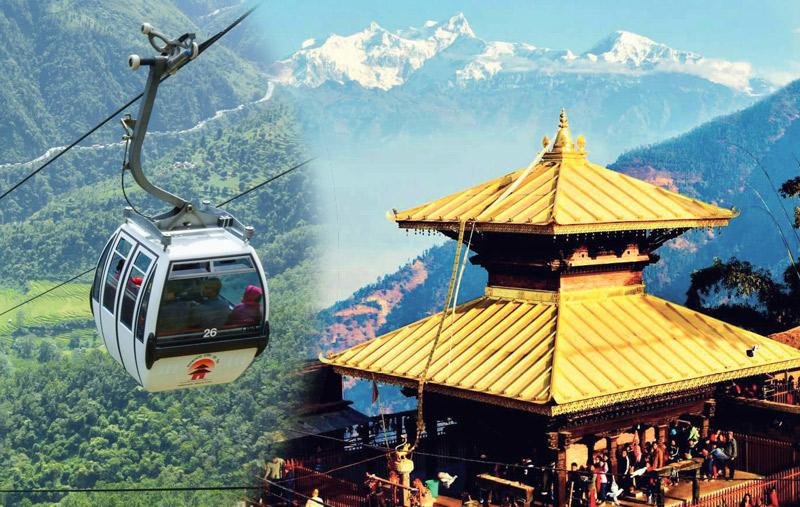
The 10-minute ride over the Trishuli River is breathtaking.
Planning a Nepal Trip?
Neved Holidays is a NATTA-registered travel company based in Kathmandu. We operate Nepal tours directly — no middleman, no markup. Packages from ₹17,000 per person.
Manakamana Devi Temple: History, Meaning and the Legend Behind the Shrine
For many pilgrims, the Manakamana journey is about much more than a scenic cable car ride. The temple in Gorkha, roughly 1,302 metres above sea level, is dedicated to Goddess Bhagwati (Durga Bhawani), worshipped here as the goddess who grants sincere wishes. The name Manakamana combines mana (heart or soul) and kamana (wish or desire): the goddess of the heart’s wish.
The Story of King Ram Shah, His Queen and Lakhan Thapa Magar
According to a centuries-old local legend, the story begins in the 17th-century Gorkha kingdom during the reign of King Ram Shah. His queen was believed to possess the divine powers of Goddess Bhagwati. Her true identity was known to her devoted attendant and spiritual guide, Lakhan Thapa Magar.
One telling says that King Ram Shah grew curious about the queen’s nighttime visits and followed her. He witnessed her in a divine assembly of gods and goddesses; other versions describe him seeing the queen in the form of the goddess and Lakhan Thapa as a lion. When the king confronted her, he died mysteriously, according to the legend.
The queen subsequently entered her husband’s funeral pyre in the historical practice known as sati, which is no longer practised and is illegal today. Before her death, she promised the grieving Lakhan Thapa that she would return to him in another form.
The Miracle of the Stone: How Manakamana Temple Began
Some six months later, the legend continues, a farmer ploughing a field struck a stone from which blood and milk were said to flow. Lakhan Thapa recognised this as the promised return of the goddess. He performed rituals at the spot, the flow ceased, and a shrine grew around the sacred stone. That place became the Manakamana Temple.
To this day, the goddess is traditionally revered in a sacred stone form rather than as an ordinary sculpted idol, and the temple’s priestly tradition is linked to the descendants of Lakhan Thapa’s Magar lineage. The shrine’s pagoda-style architecture and its view over the Trishuli and Marsyangdi valleys make it a distinctive pilgrimage destination.
These miraculous events are part of Manakamana’s living religious tradition and oral legend, rather than independently established historical events. For the temple’s own account, see the Manakamana temple history.
Why Are Animal Sacrifices Offered to Goddess Manakamana?
Visitors sometimes ask why goats are sacrificed at the temple. The practice, known as bali, comes from longstanding Shakti worship, in which goddesses such as Durga and Bhagwati are honoured as forms of divine protective power. For some devotees, a sacrifice is a solemn offering made while seeking blessings, protection, or the fulfilment of a wish. Others make a bhakal (religious vow) and return with an offering to give thanks when they believe the goddess has answered their prayer.
In one traditional interpretation, sacrifice also symbolises the need to overcome negative human traits such as ego, greed and anger. The broader Durga tradition associates the goddess with the triumph of good over destructive forces, including the demon Mahishasura. These are religious interpretations of the ritual, not a requirement placed on every worshipper.
Is Animal Sacrifice Compulsory at Manakamana?
No. Animal sacrifice is not required for darshan or prayers. Many devotees choose non-animal offerings such as coconuts, flowers, fruit, incense and sweets. Pilgrims can worship according to their own faith, family custom and conscience. The tradition of animal sacrifice also raises ethical and animal-welfare concerns, and views among devotees differ.
Practical note: The local puja information states that bali is not performed on Ekadashi, Aunsi (new-moon days) and Maha Shivaratri. Ritual practices, permissible offerings and local restrictions may change, so check locally before bringing anything intended as an offering. See the Manakamana bali and puja information.
🚡 Manakamana Cable Car Ticket Price (2026)
Tickets are available at the Kurintar cable-car station, and the official Manakamana Cable Car website also provides online booking. Reconfirm the operating schedule before travel.
| Nationality | Two-Way Fare | One-Way Fare |
|---|---|---|
| Indian Nationals | INR 670 (approx. NPR 1,072) | INR 400 |
| Nepali Citizens | NPR 770 | NPR 450 |
| Foreigners (US/EU/Other) | $20 USD | $11 USD |
| Children (3-4 Feet Height) | 40% Discount | – |
⏰ Opening Hours & Best Time to Visit
- Cable Car Timings: 8:00 AM – 5:00 PM (Daily).
- Lunch Break: 12:00 PM – 1:30 PM (Operations pause).
- Darshan Queue: Can take 1-3 hours on Saturdays.
- Best Time: Reach Kurintar by 7:30 AM to beat the queue.
🍽️ Where to Eat? (The Buffet Hack)
Most tourists don’t know this: The Manakamana Cafe at the bottom station (Kurintar) serves one of the best vegetarian buffet lunches on the highway.
- Cost: Approx NPR 800 – 1,000 per person.
- Cuisine: Nepali Dal Bhat, Indian Curry, Noodles.
- View: Overlooking the Trishuli River and lush gardens.
🇮🇳 Planning a Nepal Trip from India?
Our Kathmandu team creates free custom itineraries for Indian travellers — pilgrimage, family, honeymoon and more. WhatsApp us directly for a same-day response.
How to Plan This Stopover?
Manakamana is located exactly halfway between Kathmandu (105 km) and Pokhara (100 km). It is the perfect breakfast or lunch stop on a Kathmandu to Pokhara tour. Most of our Nepal tour packages include a Manakamana stopover on the drive between the two cities.
| 7:00 AM | Depart Kathmandu |
| 10:00 AM | Reach Kurintar & Take Cable Car |
| 11:30 AM | Darshan & Return |
| 12:30 PM | Lunch at Manakamana Cafe |
| 1:30 PM | Drive to Pokhara (Reach by evening) |
🚐 Need a Private Car?
For a transport-first booking with cable-car timing and optional guide support, see our Manakamana cable car & private transfer service.
Don’t struggle with local buses. Rent a private Scorpio or HiAce for your Kathmandu → Manakamana → Pokhara trip.
🕉️ Include Manakamana in Your Nepal Tour
Manakamana is a natural stopover on our Kathmandu–Pokhara packages. Neved Holidays handles your cable car tickets, private vehicle, hotels, and darshan planning so you don’t have to worry about a thing.
Nepal Tour Packages — Book from Your City
All packages operated by our Kathmandu team. No visa required for Indian citizens.
Recommended Nepal Packages
All packages operated by our Kathmandu team. See all packages →
Manakamana Cable Car Ticket Price (2026)
The Manakamana cable car ticket price is a two-way (return) fare and varies by nationality and age. Indicative 2026 rates are below — fares are revised periodically, so confirm at the Kurintar bottom station. Tickets are available on-site and through the official Manakamana Cable Car online booking channel.
| Category | Two-Way Fare (approx.) |
|---|---|
| Nepali Adult | NPR 770 |
| Nepali Child (3-4 ft) | NPR 460 |
| Nepali Student | NPR 575 |
| Nepali Senior Citizen | NPR 540 |
| Indian Adult | INR 670 |
| Indian Child (3-4 ft) | INR 400 |
| SAARC / Chinese Adult | USD 10 |
| Other Foreign Adult | USD 20 |
Tip for Indian visitors: carry a valid photo ID (Voter ID, passport or Aadhaar) to get the Indian rate — without ID you may be charged the foreigner (USD) fare. Rates include local government fee and VAT; baggage over the free allowance is charged per kg.
Manakamana Cable Car Opening & Closing Time
| Detail | Time |
|---|---|
| Opening time (daily) | 8:00 AM |
| Closing time (daily) | 5:00 PM |
| Lunch break (operations pause) | 12:00 PM – 1:30 PM |
| Ride duration (one way) | ~10 minutes |
The cable car runs every day of the year, including festivals. Arrive at Kurintar by 8:00-8:30 AM to beat the queue, which can run 1-3 hours on Saturdays (the busiest day for darshan and animal sacrifice). Timings can shift slightly by season — confirm before travel.
Manakamana Cable Car: Frequently Asked Questions
How much is the Manakamana cable car ticket price?
The Manakamana cable car ticket price (two-way) is about NPR 770 for Nepali adults, INR 670 for Indian adults, USD 10 for SAARC nationals and USD 20 for other foreigners. Children aged 3-4 ft and Nepali students or seniors get discounted rates. Tickets are bought at the Kurintar bottom station.
What is the opening and closing time of Manakamana cable car?
The Manakamana cable car’s published operating hours are 8:00 AM to 5:00 PM, with a midday lunch break; schedules can vary on holidays. The ride takes about 10 minutes each way. Arrive early, especially on Saturdays, as the darshan queue can take 1-3 hours.
Do Indians need to pay a foreigner rate at Manakamana?
No. Indian citizens pay a special Indian rate (about INR 670 two-way), not the foreigner USD rate. You must show a valid photo ID such as Voter ID, passport or Aadhaar to receive the Indian fare.
How do I reach Manakamana from Kathmandu?
Manakamana is about a 2.5-hour drive from Kathmandu (and around 2 hours from Pokhara) to the Kurintar cable car station on the Prithvi Highway. From Kurintar, a 10-minute cable car ride carries you up to the temple.