
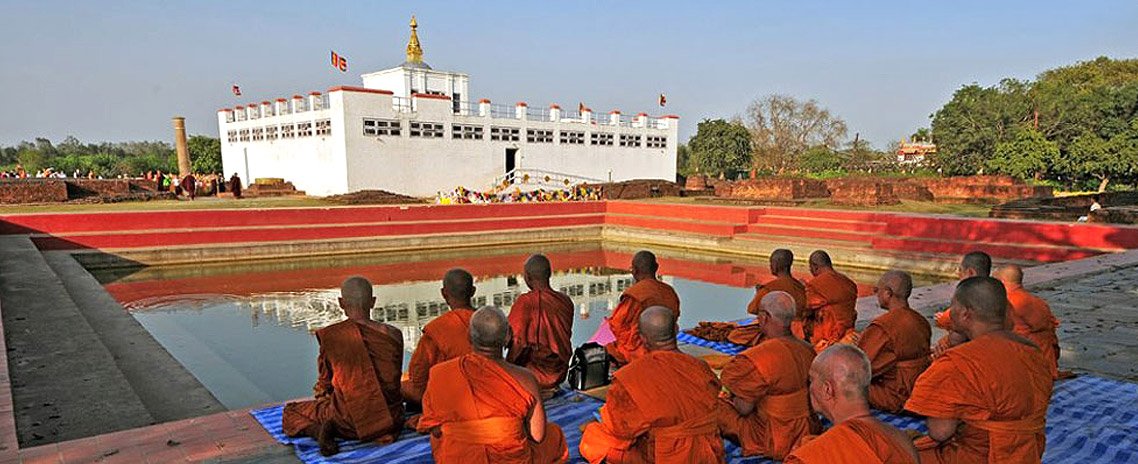
Lumbini, Nepal: A Spiritual Journey to the Birthplace of Lord Buddha
Lumbini quick facts
Where is Lumbini? In Rupandehi district in Nepal’s Terai, close to the India–Nepal border.
Why is it sacred? UNESCO identifies Lumbini as the birthplace of Siddhartha Gautama, the Lord Buddha.
What is the main site? Maya Devi Temple and its archaeological remains, together with the Ashoka Pillar and Sacred Garden.
How far is it from Bhairahawa? Nepal Tourism Board lists Lumbini at about 22 km from Bhairahawa; its road-entry guide lists the Sunauli–Bhairahawa border to Lumbini route at about 26 km.
How much time should you allow? A focused visit can fit into a day, while travellers who want to explore the international monastic zones at a slower pace may prefer an overnight stay.
Picture this: a quiet grove where the air feels lighter, where every step whispers peace, and where Lord Buddha—our Shakyamuni, our Vishnu avatar—took his first breath. That’s Lumbini for you, a sacred UNESCO World Heritage site in Nepal that’s just a hop from the Indian border. Growing up, I’d hear my baba talk about Buddha’s compassion, and my ma would nod, saying he’s one of Vishnu’s roops. So when I finally visited Lumbini, it wasn’t just a trip—it was a yatra to a place that bridges our Buddhist and Hindu hearts. Whether you’re chanting “Buddham Sharanam Gachhami” or “Om Namo Narayanaya,” Lumbini calls to every Indian seeking shanti and divinity. Let me walk you through why this Nepal tourism gem is your next pilgrimage, and how to easily make it happen.
For travellers planning this route commercially, our Muktinath tour packages explain the darshan route, transport options and ground arrangements in detail.
If you want these temples arranged as one complete journey, see our Nepal pilgrimage tour package with Kathmandu, Muktinath, Lumbini and Janakpur options.
Top Places to Visit in Lumbini
Maya Devi Temple: Where Buddha’s Story Began
The heart of Lumbini tourism is the Maya Devi Temple, a simple white building that holds something extraordinary—the exact spot where Queen Mayadevi gave birth to Siddhartha Gautam in 623 BCE. I stepped inside, and there it was: a marker stone under glass, surrounded by ancient brick ruins, pinpointing Buddha’s janmsthan. Above it, a carved slab shows Mayadevi clutching a sal tree, her newborn at her feet. I stood there, hushed, feeling a stillness I can’t quite describe—like the calm after a long puja.
For Buddhists, this is the ultimate tirth—where enlightenment’s seed was planted. For Hindus like me, it’s sacred too; scriptures call Buddha Vishnu’s ninth avatar, and this spot feels like a darshan of that divine grace for Hindu devotees. The temple’s unassuming vibe—just prayer flags fluttering and monks in saffron—makes it all the more real.
Pro Tip: Visit early morning when the mist hangs low—it’s quieter, and you can meditate without the bustle. Bring a small candle or flower to offer; it feels right.
Ashokan Pillar: A King’s Promise in Stone

Next to the temple stands the Ashokan Pillar, a tall, weathered column Emperor Ashoka planted in 249 BCE. I ran my fingers along its base, imagining Ashoka—our Mauryan king—coming here, touched by Buddha’s message, vowing peace. The inscription, faded but proud, declares this as “Lumbini, where the Blessed One was born.” It’s history you can touch, a reminder of how Buddha’s light spread from India to the rest of the world.
For Indian pilgrims, this pillar hits home. We’ve grown up with Ashoka’s chakra on our national flag, and here’s where his journey of dharma began. It’s a brilliant photography spot too—trust me, you’ll want to send that pic to your family group chats!
Fun Fact: Ashoka didn’t just leave a pillar—he cut taxes for Lumbini villagers. Talk about a royal blessing!
Why Lumbini Feels Like Home for Indian Travelers
Lumbini is just 25 km from the India-Nepal border (Sunauli)—closer than Delhi to Agra—and it feels like an extension of our land. The Terai plains stretch flat and familiar, the food’s all comforting rice-dal-roti (with some authentic Nepali momos if you’re lucky!), and the locals chat comfortably in Hindi. I met a monk from Bodh Gaya who said, “This is our shared home.” He’s right—whether you’re a Buddhist from Sikkim or a Hindu from UP, Lumbini’s peace wraps around you like a warm shawl.
How to Reach Lumbini from India: Travel Guide
Because it sits right on the border, traveling to Lumbini from India is incredibly easy and budget-friendly. Here are your best options:
- By Road from UP/Bihar: Travel from Gorakhpur toward the Sunauli–Bhairahawa border and continue to Lumbini. Nepal Tourism Board lists Lumbini at approximately 26 km from this border crossing. Indian citizens do not need a visa; for the smoothest document check, carry an original Indian passport or original Election Commission of India Voter ID card. Check current road conditions and vehicle or bus options for your travel date.
- By Train: Take a train to Gorakhpur Railway Station or Nautanwa, then grab a short auto-rickshaw to Sunauli and cross into Lumbini. This is a super budget-friendly route for under ₹500.
- By Air: Fly from major cities like New Delhi or Mumbai directly to Kathmandu, then take a quick 40-minute domestic flight to Bhairahawa Airport (Gautam Buddha International Airport), which is only 10 km from Lumbini.
Travel Tip: Carry a reusable water bottle and light snacks—options are basic inside the sacred garden complex. A hat and comfortable walking shoes are highly recommended!
Best Time to Visit Lumbini
The ideal time to visit Nepal for a Lumbini tour is between October and March. You’ll enjoy cool weather, clear skies, and comfortable walking conditions. Buddha Jayanti (April-May) is absolutely magical, with thousands of butter lamps lighting up the sacred grove, though it will be much busier. I went in November, and the golden evening light on the stupas felt like a pure blessing.
A Perfect 1-Day Lumbini Itinerary
- Morning: Start at the Maya Devi Temple. Spend an hour in quiet prayer or meditation by the sacred pushkarini pond.
- Midday: Visit the Ashokan Pillar, then take a peaceful walk through the Sacred Garden. Sit under a bodhi tree and simply breathe.
- Afternoon: Grab lunch at a local dhaba. Afterward, rent a bicycle or take an electric rickshaw to explore the Monastic Zones—featuring stunning architecture from Thailand, Myanmar, China, and Sri Lanka.
- Evening: End your day at the Eternal Peace Flame. It’s a beautiful spot to reflect as the sun sets.
Plan Your Complete Buddhist Circuit Tour
Why stop here? Make it a full spiritual pilgrimage by connecting the dots of Buddha’s life:
- Lumbini, Nepal: Where it all began (The Birth).
- Bodh Gaya, India: Where he found enlightenment.
- Sarnath, India: Where he delivered his first teaching.
A Whisper of Peace Awaits You
Lumbini isn’t just a place—it’s a feeling. Standing where Buddha was born, I felt a quiet joy, like the world slowed down just for me. For Buddhists, it’s a lifetime must-visit; for Hindus, it’s a beautiful nod to Vishnu’s cosmic play. It’s close, it’s accessible, and it belongs to our shared heritage. So, grab your jhola, cross the border, and let Lumbini’s shanti wash over you.
Ready to experience the peace of Lord Buddha’s birthplace? We can organize your perfect spiritual getaway. Check out our customizable Nepal tour packages today!
Planning a Nepal Trip from India?
Our Kathmandu team creates free custom itineraries for Indian travellers. Pilgrimage, family, honeymoon and adventure. WhatsApp us for a same-day response.